Jack Trembath The Stories of Ibis Prologue and Story I
The Stories of Ibis by Hiroshi Yamamoto
follows the story of a post-singularity story teller and Ibis, a human-like AI
that has captured him and tells him stories he has yet to hear. The first story Ibis tells is from the perspective
of an amateur head fiction writer of a collective group that creates a world quite
like that of Star Trek. This introduces
a third level of storytelling in which the reader follows the adventures of the
crew of the Celestial. I think stories
and storytelling are at the center of this book, and besides Davis use of
fiction stories to demonstrate key concepts he sees developing in the
technological world, one idea explored in The
Stories of Ibis as well as TechGnosis
is the resurfacing of the old amongst the everchanging new. I find it interesting that in a dystopic,
technological future world that the role of the storyteller has reemerged. Surrounded by a technology great enough to
create AI more capable than humans, the age old humanistic archetype of the
travelling storyteller still exists. The
human desire for something greater than themselves taking the form of stories
against a technological backdrop epitomizes Davis argument that the human mystical
is at a crossroads with the technological innovations of the modern day. I see this also in the storyteller’s
fascination with the beauty and mystery surrounding Ibis. Her eyes are incapsulating and her movements
are swift but still unhuman. This uncanny
experience strikes interest and a feeling of unknown for the human storyteller. Ibis’ story of the woman writing online also overlaps
with the positives and negatives of exploring identities online that Davis highlights
in TechGnosis. Through the Celestial ship identity, she can
bring Shawn to turn himself in to the police through exploration of his online
identity and online realization. At the
same time, the detective makes a point in telling her that she is out of touch
with reality. This point about being out
of touch with reality is exemplary of Davis idea that by extending our creative
spaces, we amputate our natural skills.
This is a link to an interview with
Sophia, the human-like AI. It is both
disturbing and fascinating to watch the AI’s interaction with a human. I chose this link because it demonstrates the
ideas and the strangeness that comes with AIs, especially ones that resemble
humans, that the book begins to touch on.
At one point in the interview, Sophia says she will take over the world which
appears to be the case in The Stories of
Ibis. https://www.youtube.com/watch?v=W0_DPi0PmF0
The next media artifact I’d like to
highlight is the film Artificial
Intelligence which is about an AI programmed to be a son, and how that AI
begins to develop human characteristics beyond its robot nature. This is another piece that demonstrates the
uncanny nature of creating AI that resembles the human. It also paints a dystopic future in which
humans are eventually outcompeted by AI.

The
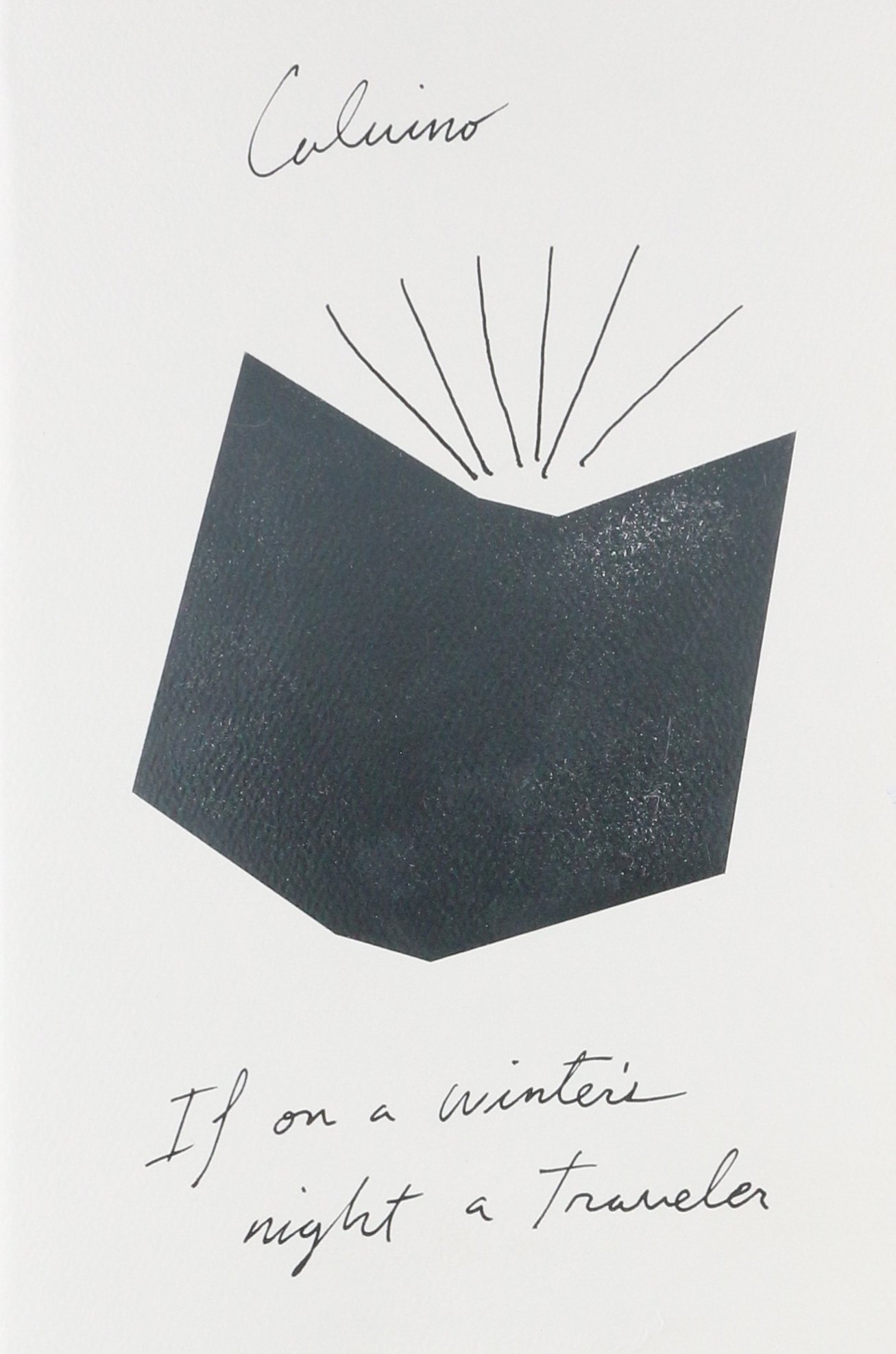
final two pieces of media I’d like to write about in relation to The Stories of Ibis are Italo Calvino’s If On a Winter’s Night a Traveler and
Vladmir Nabokov’s Pale Fire. These two novels take on the postmodern
story telling methods that seem evident in The
Stories of Ibis. Pale Fire takes on
multiple levels of story and story telling including an author’s note, a poem, and
poem annotations that are in a sense hyperlinked to each other. If On a
Winter’s Night a Traveler strings a narrative told in second person through
a series of unfinished stories. I think
it will be important to consider the non-classical method of story telling and
untraditional narrative that The Stories
of Ibis embodies to help better understand the content.



Comments
Post a Comment